Why “just quit” was never enough for me
People who know me today are often surprised to find out that I was once a troubled kid.
- Breaking rules.
- Regular detentions.
- Even running away from home at age 13.
Teachers used to say:
“Oh, she is doing that again? That’s not surprising. She is a troubled kid.”
But something about that never sat right with me.
“Troubled kid” might have described the behavior, but it never explained why I behaved that way.
And nobody seemed particularly interested in what was happening underneath all those behaviors.
Except me.
For years, I kept asking the same question: What made me behave the way I did?
That question eventually drove me halfway across the world to study psychology.
And years later, when I was told I had Alcohol Use Disorder, I found myself feeling a similar frustration all over again.
Because I didn’t need a label.
I needed something to help me make sense of why I drank the way I did and what kept pulling me back to the same cycle despite my desire to change.
So once again, I followed the question.
This time, it led me into graduate school, into years of personal and professional work, and eventually into a deeper exploration of the hidden forces that shape our drinking patterns.
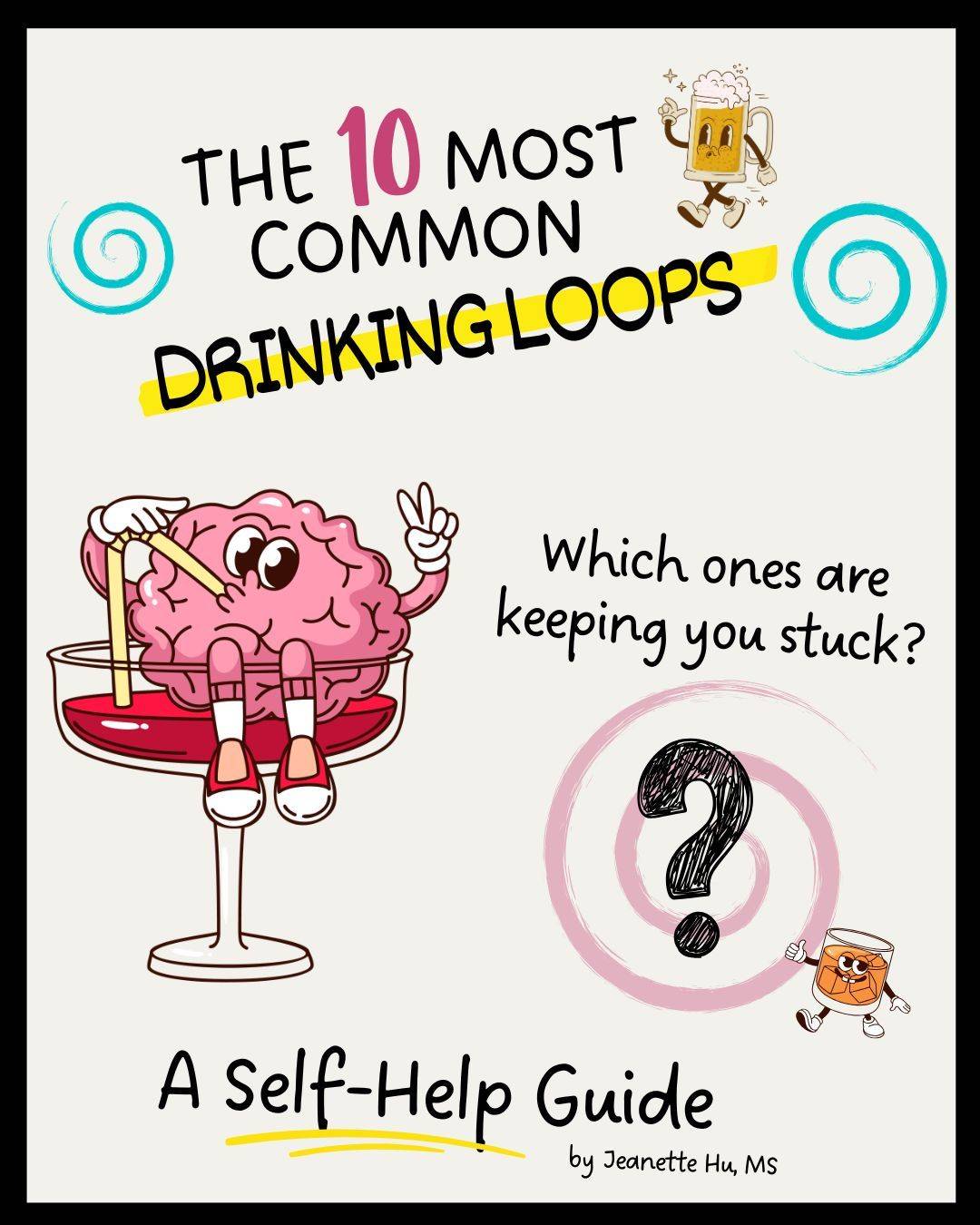
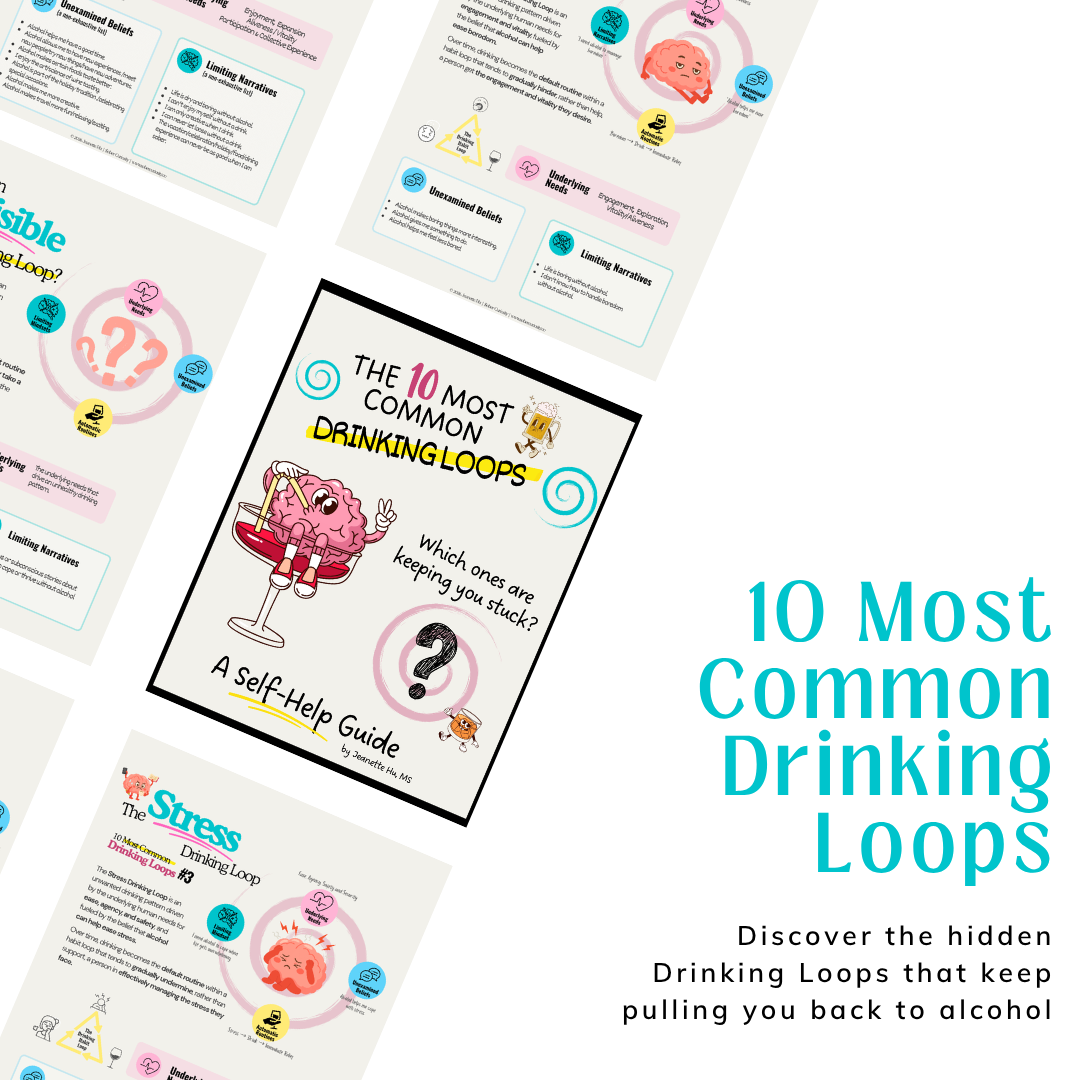
Over time, I began noticing four recurring forces that often keep people stuck in the same drinking loop.
Today, I call it the Invisible Drinking Loop.
And once I started mapping out these invisible forces, something else became clear too:
Why “just quit” often doesn’t work on its own — and what actually helps people create meaningful, lasting change.
Over the next months to come, I’ll be turning these ideas into a larger book project called:
The Beyond Alcohol Project — a 90-day system to interrupt old drinking patterns and redesign a life beyond alcohol.
And instead of waiting until everything is perfectly finished, I want to share the process as it unfolds.
So over the coming months, I’ll be sharing pieces of the framework, questions I’m exploring, observations from my work, and some of the hidden patterns I’ve noticed after years in the sober curious space.
If you’d like to follow along — and perhaps even help shape the conversation — you can learn more about the project here.
Jeanette
Responses